Tuscan Butter Roast Chicken: The Ultimate Comfort Food with Complete Protein
Tuscan Butter Roast Chicken is one of those dishes that instantly fills the kitchen with warmth. The aroma of garlic, herbs, and roasting chicken creates a rich, comforting experience long before the first bite. Originating from the Tuscan countryside, this recipe reflects a simple philosophy—use fresh ingredients, cook patiently, and let natural flavours develop fully.
Unlike heavily processed or deep-fried chicken preparations, roasting preserves the meat’s natural structure and nutritional value. Chicken is an excellent source of high-quality complete protein, essential for muscle maintenance, immune function, and tissue repair. When combined with herbs such as rosemary and thyme, this dish also provides beneficial plant compounds that support digestion and reduce inflammation.
Why Roast Chicken Is Nutritionally Valuable
Chicken, particularly when roasted rather than fried, offers several physiological benefits. It provides essential amino acids required for enzyme production, hormone regulation, and immune defence. In addition, it contains key micronutrients such as:
- Vitamin B6 – Supports energy metabolism and neurotransmitter synthesis
- Niacin (Vitamin B3) – Essential for nervous system function and DNA repair
- Phosphorus – Required for bone strength and cellular energy production
- Selenium – Supports antioxidant defence and thyroid function
💡 Roasting Advantage: Roasting allows fat to render naturally, reducing excess oil intake while enhancing flavour through the Maillard reaction.
Ingredients (Serves 4)
Preparation Time
🔥 Cooking time: 1 hour 5 minutes
⏰ Total time: 1 hour 15 minutes
💪 Protein: 28-35g per serving
Step-by-Step Directions
Preheat the oven to 200°C (392°F). Remove excess moisture from the chicken using a paper towel.
In a bowl, combine butter, garlic, rosemary, thyme, salt, and black pepper. Mix until evenly blended. Carefully loosen the skin over the chicken breast and spread part of the butter underneath.
Rub the remaining butter mixture over the outer surface of the chicken. Drizzle olive oil lightly on top. Place lemon halves inside the cavity.
Place the chicken in a roasting tray. Roast for approximately 60–70 minutes, or until the internal temperature reaches 75°C (165°F). Baste occasionally with the natural juices released during cooking.
Remove the chicken from the oven and allow it to rest for 10 minutes. This allows juices to redistribute, ensuring moist and tender meat. Carve and serve.
Nutritional Value (Approximate per serving)
| Nutrient | Amount |
|---|---|
| Calories | 320–380 kcal |
| Protein | 28–35 g |
| Fat | 18–24 g |
| Carbohydrates | 0–3 g |
| Selenium | High (supports antioxidant defence) |
| Vitamin B6 | High (supports energy metabolism) |
Values vary depending on portion size and butter quantity.
Health Benefits of Tuscan Butter Roast Chicken
💪 Supports muscle health
High-quality protein helps maintain muscle mass, especially important with aging and active lifestyles.
🛡️ Supports immune function
Selenium and amino acids support immune cell activity and antibody production.
⚡ Provides sustained energy
Protein stabilises blood glucose levels and improves satiety for hours.
🔥 Supports metabolic health
Protein-rich meals increase thermogenesis and metabolic efficiency.
Why Roasting Is Better Than Frying
🥗 Roasting vs. Frying
Roasting avoids excessive oil absorption, reduces oxidative damage, and preserves natural nutrients. Frying at high temperatures can generate harmful compounds such as acrylamide and advanced glycation end products (AGEs), whereas controlled roasting maintains structural integrity and flavour.
Roasting benefits: Natural fat rendering, nutrient preservation, superior flavor development, reduced calorie density, and enhanced digestibility.
Expert Tips for Best Results
- Use fresh herbs rather than dried for superior flavour
- Avoid overcooking, which can dry the meat
- Allow resting time after roasting
- Use a thermometer to ensure safe internal temperature
Serving Suggestions
This chicken pairs well with:
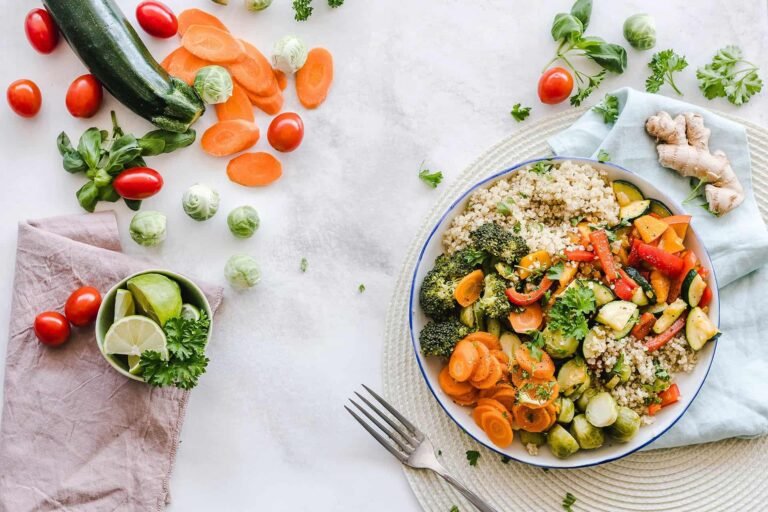
- Roasted vegetables (carrots, Brussels sprouts, bell peppers)
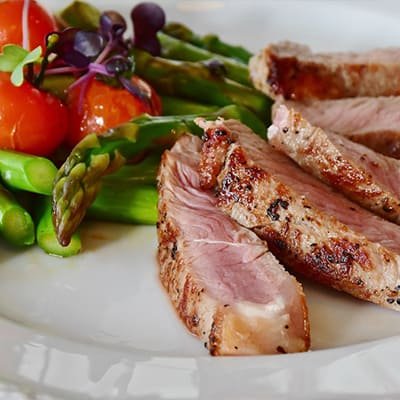
- Steamed greens (broccoli, green beans, asparagus)
- Whole grains (brown rice, quinoa, farro)
- Fresh salad with olive oil dressing
These combinations create a balanced meal containing protein, fibre, and essential micronutrients.
Frequently Asked Questions
Conclusion
Tuscan Butter Roast Chicken represents the perfect balance between flavour and nutrition. Its high protein content, combined with carefully selected herbs and proper cooking technique, makes it suitable for both everyday meals and special occasions. When prepared thoughtfully, roast chicken becomes more than a comfort food—it becomes a nutritionally valuable addition to a balanced diet.
Simple ingredients, careful preparation, and patience transform this classic Tuscan recipe into a dish that supports both health and enjoyment.