Sweet & Sour Cashew Stir-Fry: A Heart-Healthy, Protein-Rich Plant-Based Recipe
Sweet and sour cashew stir-fry is a vibrant, nutrient-dense dish that combines crunchy cashews, colourful vegetables, and a balanced sweet-tangy sauce. This recipe is not just flavourful—it is also rich in plant protein, healthy fats, fibre, and antioxidants, making it an excellent choice for metabolic health, heart protection, and sustained energy.
Cashews provide essential nutrients such as magnesium, copper, and healthy monounsaturated fats, which support cardiovascular health and nerve function. When paired with fresh vegetables and a carefully prepared sauce, this stir-fry becomes a complete, evidence-based meal suitable for both preventive and therapeutic nutrition plans.
Why This Sweet & Sour Cashew Stir-Fry Is Nutritionally Valuable
Unlike heavily processed restaurant stir-fries, this version uses whole ingredients that support long-term health.
- Provides plant-based protein for muscle maintenance
- Supports heart health through healthy fats
- Improves gut health due to fibre-rich vegetables
- Helps regulate blood sugar when prepared without excess sugar
- Provides antioxidants that reduce inflammation
Cashews also contain bioactive compounds that support vascular function and reduce oxidative stress.
Nutritional Benefits of Cashews
Cashews are often misunderstood due to their fat content, but their fat profile is largely beneficial.
| Nutrient | Health Benefit |
|---|---|
| Plant protein | Supports muscle repair and satiety |
| Monounsaturated fats | Improves heart health |
| Magnesium | Supports nerve and muscle function |
| Copper | Essential for red blood cell formation |
| Antioxidants | Reduce cellular damage |
❤️ Heart Health Research: Moderate cashew consumption is associated with improved lipid profiles and cardiovascular health.
Ingredients (Serves 4)
Main Ingredients
- 1 cup raw or lightly roasted unsalted cashews
- 1 red bell pepper, sliced
- 1 yellow bell pepper, sliced
- 1 cup broccoli florets
- 1 medium carrot, sliced thin
- 1 small onion, sliced
- 3 cloves garlic, minced
- 1 tbsp fresh ginger, grated
- 1 tbsp olive oil or sesame oil
Sweet and Sour Sauce
- 2 tbsp low-sodium soy sauce
- 1 tbsp rice vinegar
- 1 tbsp tomato paste
- 1 tbsp honey or natural sweetener (optional and adjustable)
- ½ tsp black pepper
- ¼ cup water
Preparation Time
🔥 Cooking time: 15 minutes
⏰ Total time: 30 minutes
Step-by-Step Directions
Wash and cut all vegetables evenly to ensure uniform cooking.
Heat olive oil in a pan over medium heat. Add garlic and ginger. Cook for 1–2 minutes until fragrant.
Add onion, carrots, and broccoli. Stir-fry for 3–4 minutes. Then add bell peppers and cook for another 2–3 minutes.
Add cashews and mix well. Cook for 2 minutes.
Mix soy sauce, vinegar, tomato paste, honey, pepper, and water. Add this mixture to the pan. Cook for 2–3 minutes until sauce thickens.
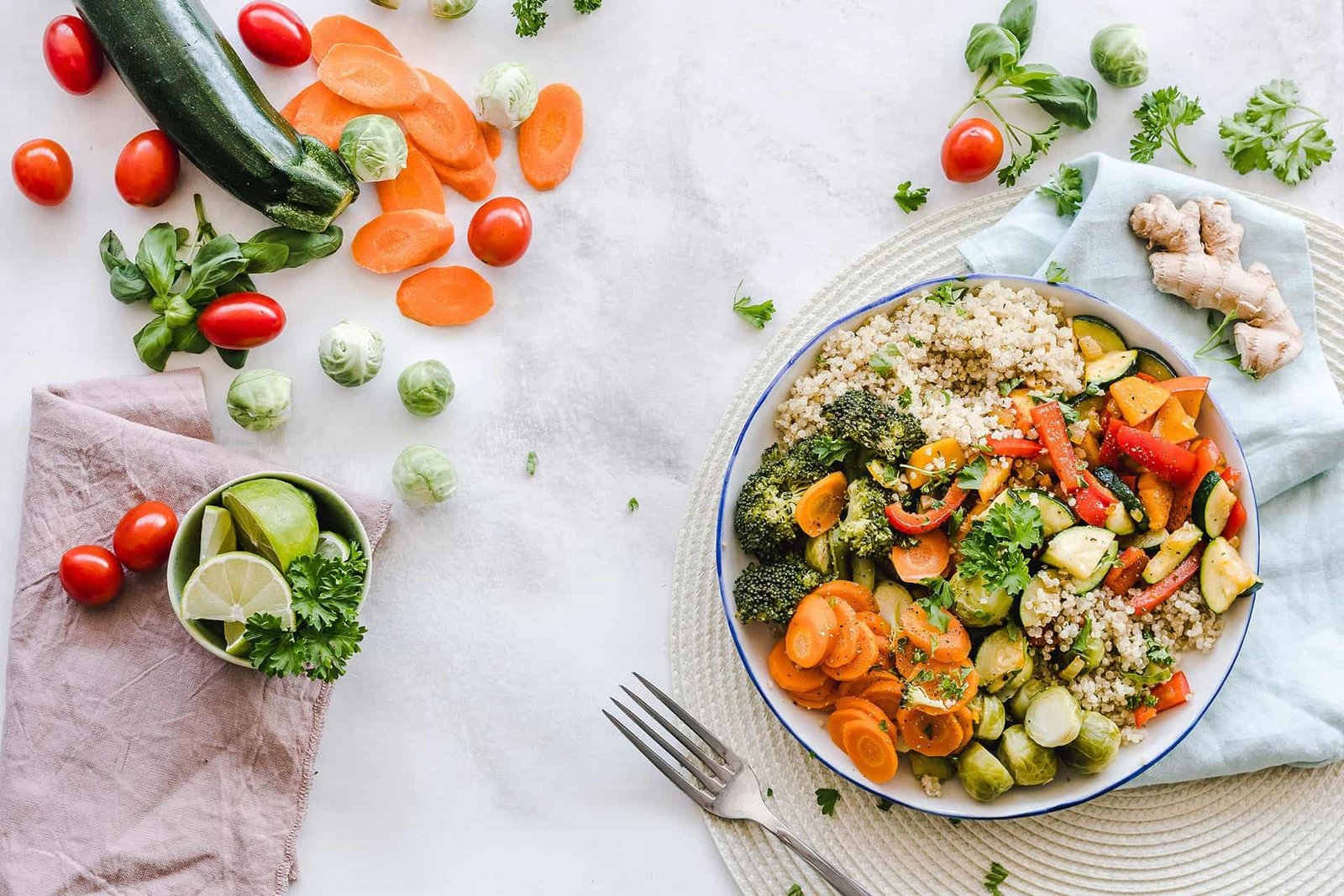
Serve hot with brown rice, quinoa, or whole-grain noodles.
Nutritional Value (Approximate per serving)
| Nutrient | Amount |
|---|---|
| Calories | 280–320 kcal |
| Protein | 8–10 g |
| Fat | 18–22 g |
| Carbohydrates | 20–25 g |
| Fibre | 4–6 g |
Values vary based on ingredient quantities.
Health Benefits of This Recipe
❤️ Supports heart health
Cashews and olive oil provide heart-protective fats that improve cholesterol balance.
🔥 Improves metabolic health
Balanced macronutrients support insulin sensitivity and energy stability.
⚖️ Supports weight management
Protein and fibre improve satiety and reduce overeating.
🛡️ Enhances immune function
Vegetables provide vitamins, minerals, and antioxidants essential for immune health.
🦠 Supports gut health
Fibre promotes healthy gut microbiota and digestion.
Who Should Include This in Their Diet
This recipe is ideal for:
- Individuals following plant-based diets
- People with cardiovascular risk factors
- Weight management plans
- Individuals seeking high-quality vegetarian protein
- Health-conscious individuals
Expert Tips for Best Results
- Use unsalted cashews to control sodium intake
- Avoid excessive sugar in the sauce
- Do not overcook vegetables
- Use fresh ingredients for optimal nutrient retention
How to Make It Even Healthier
- Serve with brown rice instead of white rice
- Add tofu for extra protein
- Reduce added sweeteners
- Increase vegetable quantity
Frequently Asked Questions
🍽️ Serving Suggestion
Pair with quinoa or brown rice for a complete, balanced meal that provides all essential amino acids, sustained energy, and optimal nutrition.
Conclusion
Sweet and sour cashew stir-fry is a balanced, nutrient-dense dish that supports heart health, metabolic function, and overall wellness. Its combination of plant protein, healthy fats, and antioxidant-rich vegetables makes it suitable for preventive nutrition and long-term health.
This recipe proves that healthy food can be both scientifically sound and exceptionally satisfying.