Herb Roasted Prime Rib: A Complete Guide to a Perfect, Juicy, and Protein-Rich Roast
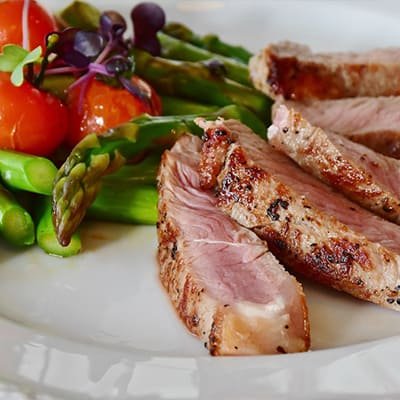
Herb roasted prime rib is one of the most flavourful and nutritionally rich protein dishes, prized for its tenderness, aroma, and high-quality protein content. This classic roast combines premium beef with fresh herbs, garlic, and slow roasting techniques to create a meal that supports muscle health, satiety, and metabolic function when consumed in appropriate portions.
Prime rib is naturally rich in complete protein, iron, zinc, and vitamin B12, making it especially beneficial for individuals with increased protein needs, athletes, and those recovering from illness or muscle loss.
Why Herb Roasted Prime Rib is Nutritionally Valuable
Unlike processed meat products, properly prepared prime rib provides high biological value protein and essential micronutrients.
- Supports muscle growth and repair
- Provides highly bioavailable iron for haemoglobin synthesis
- Improves satiety and appetite regulation
- Supports immune function through zinc
- Provides vitamin B12 for nerve and brain health
💪 Protein Power: A 100 g serving of prime rib provides approximately 20–25 g of high-quality protein, making it a powerful protein source.
Ingredients (Serves 4)
Main Ingredients
- 1.5–2 kg prime rib roast (bone-in or boneless)
- 4–5 cloves garlic, minced
- 2 tbsp olive oil
- 1 tbsp fresh rosemary, chopped
- 1 tbsp fresh thyme, chopped
- 1 tbsp fresh parsley, chopped
- 1 tsp black pepper
- 1–1.5 tsp salt (adjust as needed)
Optional Ingredients
- 1 tsp Dijon mustard
- 1 tsp paprika
- ½ tsp garlic powder
Preparation Time
🔥 Cook: 60-90 minutes
⏰ Rest: 15-20 minutes
⌚ Total: 1.5-2 hours
Step-by-Step Cooking Instructions
Remove the prime rib from the refrigerator and allow it to rest at room temperature for 30–45 minutes. This ensures even cooking.
In a small bowl, mix olive oil, garlic, rosemary, thyme, parsley, salt and pepper. This herb mixture enhances flavour and provides antioxidant benefits.
Rub the herb mixture evenly over the entire surface of the roast. Ensure complete coverage for optimal flavour.
Preheat oven to 230°C (450°F). Place the roast on a rack inside a roasting pan.
Roast at 230°C for 15 minutes to develop a flavourful crust.
Reduce oven temperature to 160°C (325°F) and continue cooking until desired doneness. Use a meat thermometer for accuracy:
50-52°C
55-57°C
60-63°C
Remove from oven and allow to rest for 15–20 minutes. This redistributes juices and improves tenderness.
Slice against the grain and serve immediately.
Nutritional Value (Approximate per serving)
| Nutrient | Amount |
|---|---|
| Calories | 350–450 kcal |
| Protein | 25–30 g |
| Fat | 20–30 g |
| Iron | 2.5–3 mg |
| Vitamin B12 | 2–3 mcg |
| Zinc | 4–5 mg |
Values vary based on cut and portion size.
Health Benefits of Prime Rib
💪 Supports muscle health
High-quality protein supports muscle synthesis and maintenance.
🩸 Prevents iron deficiency
Prime rib contains haem iron, which is easily absorbed.
⚡ Supports metabolic function
Vitamin B12 and protein improve metabolic efficiency.
🍽️ Improves satiety
Protein-rich meals reduce hunger and overeating.
🛡️ Supports immune function
Zinc contributes to immune system strength.
Who Should Consume in Moderation
⚠️ Prime rib should be consumed carefully by:
- Individuals with cardiovascular disease
- Those with high cholesterol
- Individuals on low-fat diets
Portion control is important.
Expert Tips for Best Results
- Use fresh herbs for optimal flavour
- Use a meat thermometer for precision
- Allow proper resting time
- Avoid overcooking to maintain tenderness
How to Make It Healthier
- Trim excess visible fat
- Serve with vegetables
- Avoid heavy sauces
- Maintain moderate portion sizes
Best Side Dishes to Pair
Healthy options include:
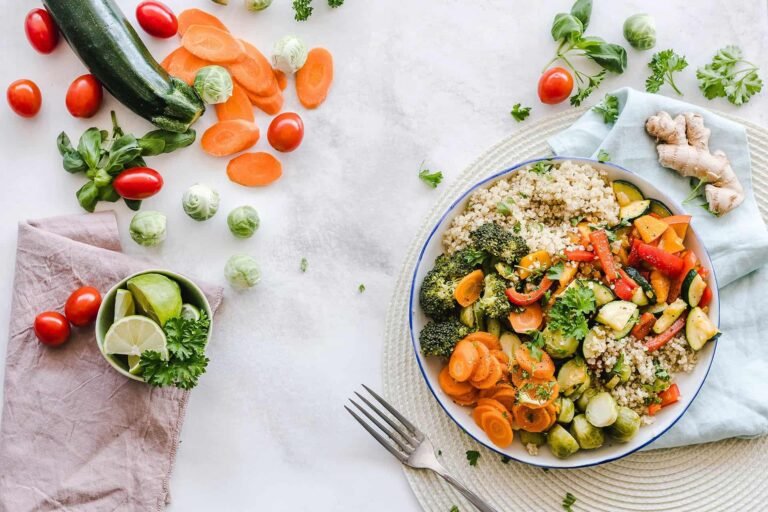
- Roasted vegetables
- Steamed broccoli
- Fresh salad
- Mashed cauliflower
- Whole-grain side dishes
Frequently Asked Questions
Conclusion
Herb roasted prime rib is a nutritionally dense, protein-rich dish that supports muscle health, metabolic function, and overall nutrition when consumed in moderation. Proper preparation techniques ensure maximum flavour, tenderness, and nutritional value.
This classic roast is ideal for special occasions, family meals, and high-protein dietary plans.